Cho Gi-Seok on the Relationship Between Beauty and Self-Discovery
The photographer has become a genre of his own, transcending conventions through years of exploration in Flower Studies.
- By: Hyunji Nam
- Photographed by: Cho Gi-Seok/Post Poetics
Everyone starts somewhere—even Cho Gi-Seok, the Korean photographer who’s now a genre unto himself in the global fashion world. Self-taught and driven by a relentless curiosity, Cho has emerged as a go-to creative for people like Billie Eilish, Kylie Jenner, and Kiko Mizuhara when launching beauty brands.
I remember his early days from a decade ago, back when he rented a worn-down five-story building in Euljiro, Seoul—no elevator, nestled between metal workshops. It was the kind of space you wouldn’t associate with a photo studio, but that didn’t stop Cho from working day and night. His early works were shot within a cramped 2-meter-wide space. It wasn’t exactly a Paolo Roversi-style intentional move for lighting control—it was more about making do with what he had. After visiting his studio, we ended up at a humble restaurant, sharing $10 tteokbokki. This was all before his career blossomed, but he was already so assured about what he wanted.
Born in 1992, Cho dropped out of a visual design major and stepped into the fashion scene as an editor for indie magazine Eloquence, where his interest in photography took off. Unlike most commercial photographers in Korea, who spend years assisting senior photographers and practically living in their studios, Cho bypassed that route. And since he hadn’t studied photography, he was seen as an outsider in the photo world.
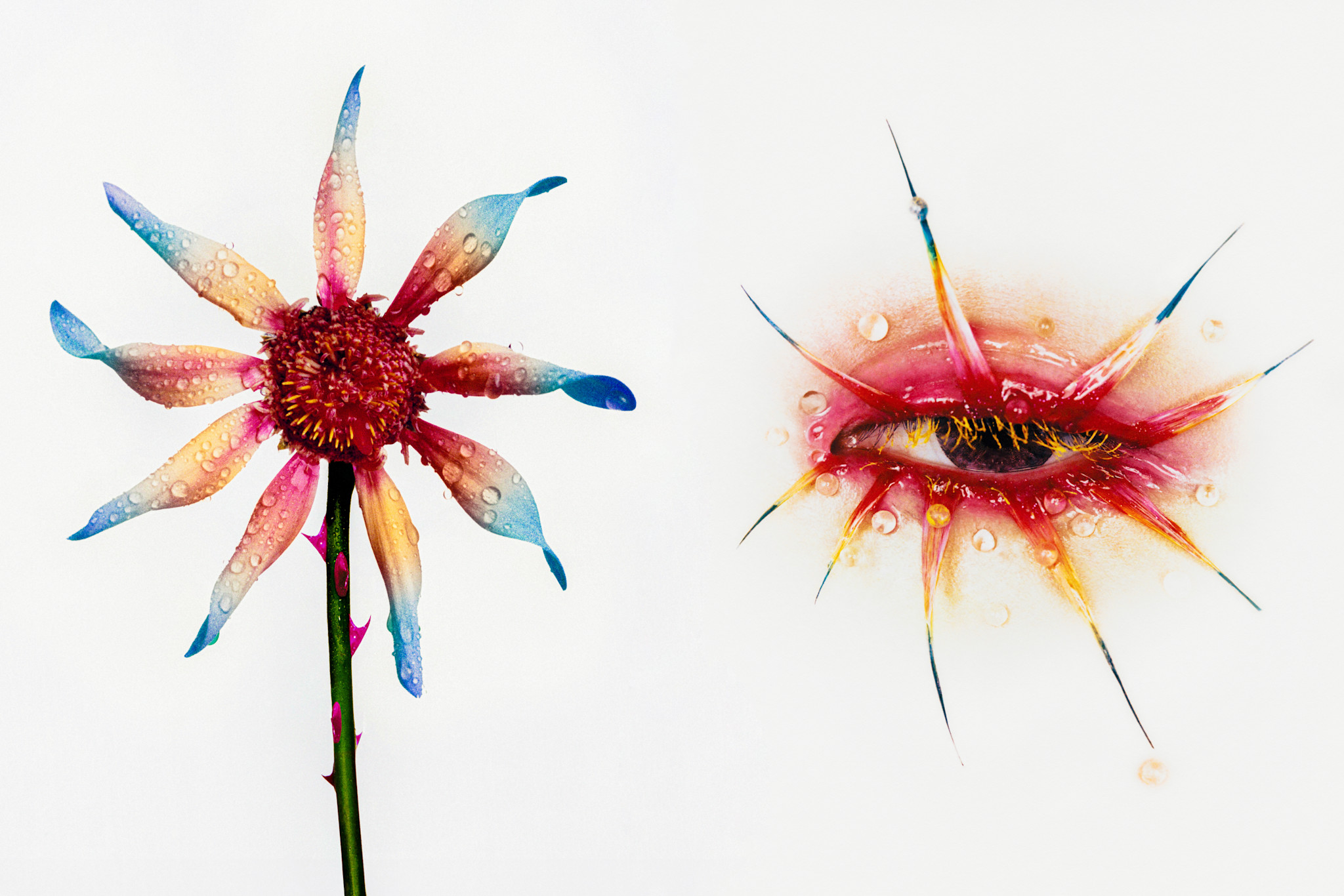
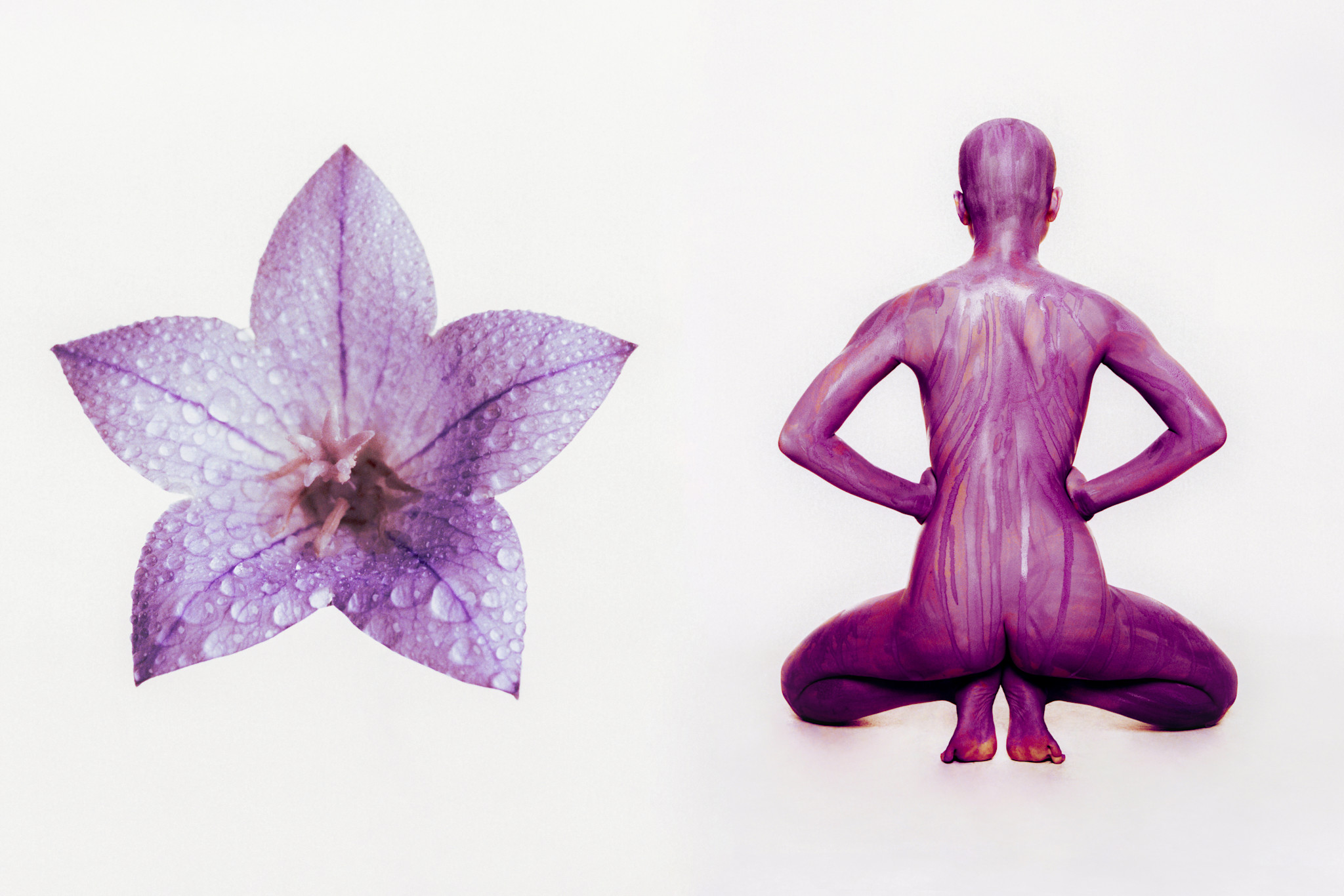
Flower Studies, 2024. Copyright by Cho Gi-Seok/Post Poetics.
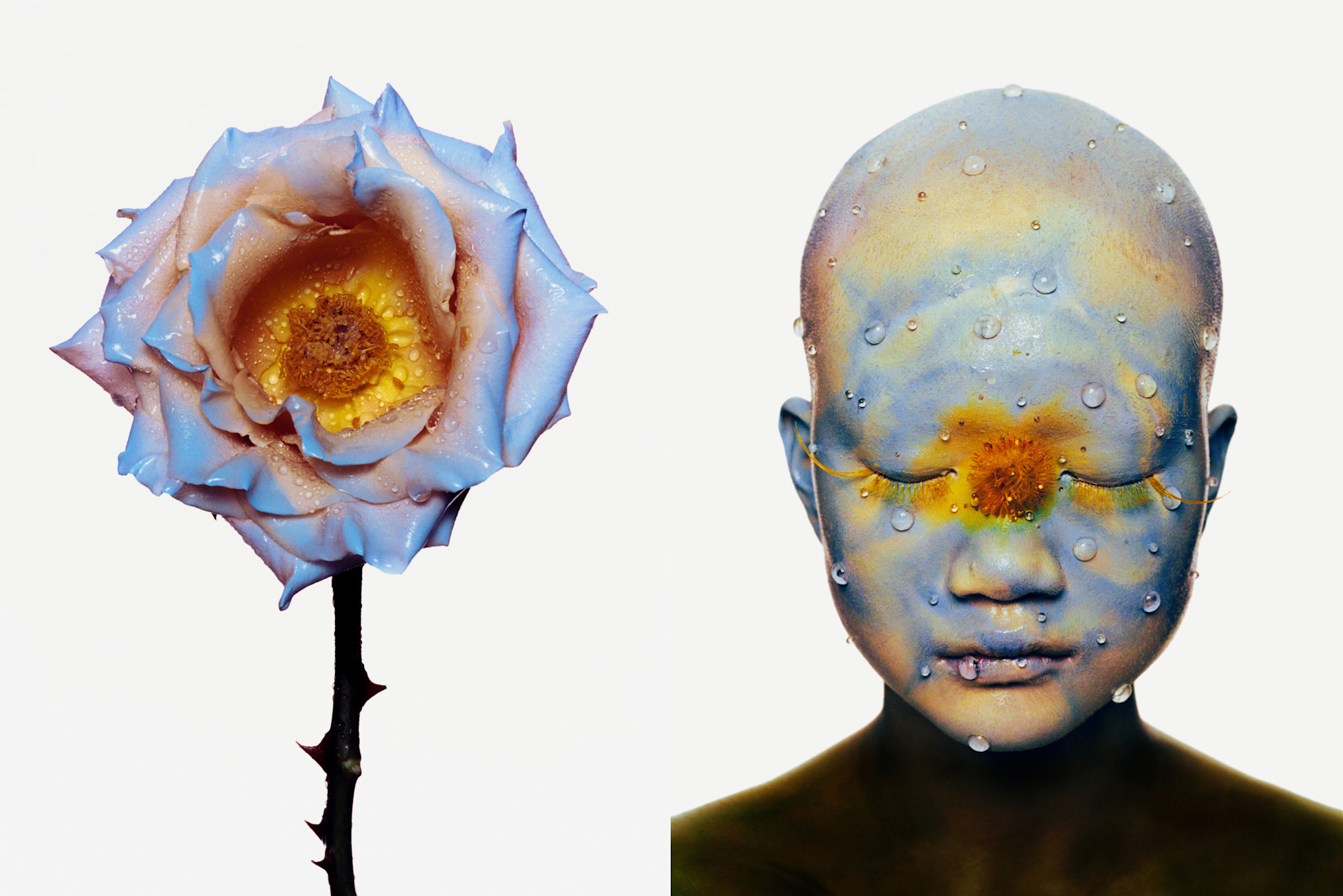
Top Image: Flower Studies, 2024. Copyright by Cho Gi-Seok/Post Poetics.
But fashion loves an anomaly. It wasn’t long before Cho was in high demand, regardless of how many years he had—or hadn’t—spent assisting. Over time, he has collaborated on everything from album covers for musicians to partnerships with heavyweight Seoul brands like Low Classic, Andersson Bell, and Gentle Monster. He’s even taken on directing music videos for CL, XG, and Kali Uchis. As a designer and creative director, he reached the semifinals of the 2023 LVMH Prize with his clothing line and remains the only Korean photographer to shoot a Vogue Italia cover.
While he’s reached some serious milestones as a photographer, Cho remains committed to always learning. “I want to hold on to that beginner’s mindset, the excitement I felt when I first started,” he says. This mindset is also reflected in his long-running project, Flower Studies, which, after years of meticulous research, resulted in his first book. Cho’s dedication to Flower Studies is particularly striking in an industry where time is money. Spending up to nine hours perfecting a single shot is almost unheard of, yet his commitment to exploring the beauty of flowers has profoundly shaped his creative journey.

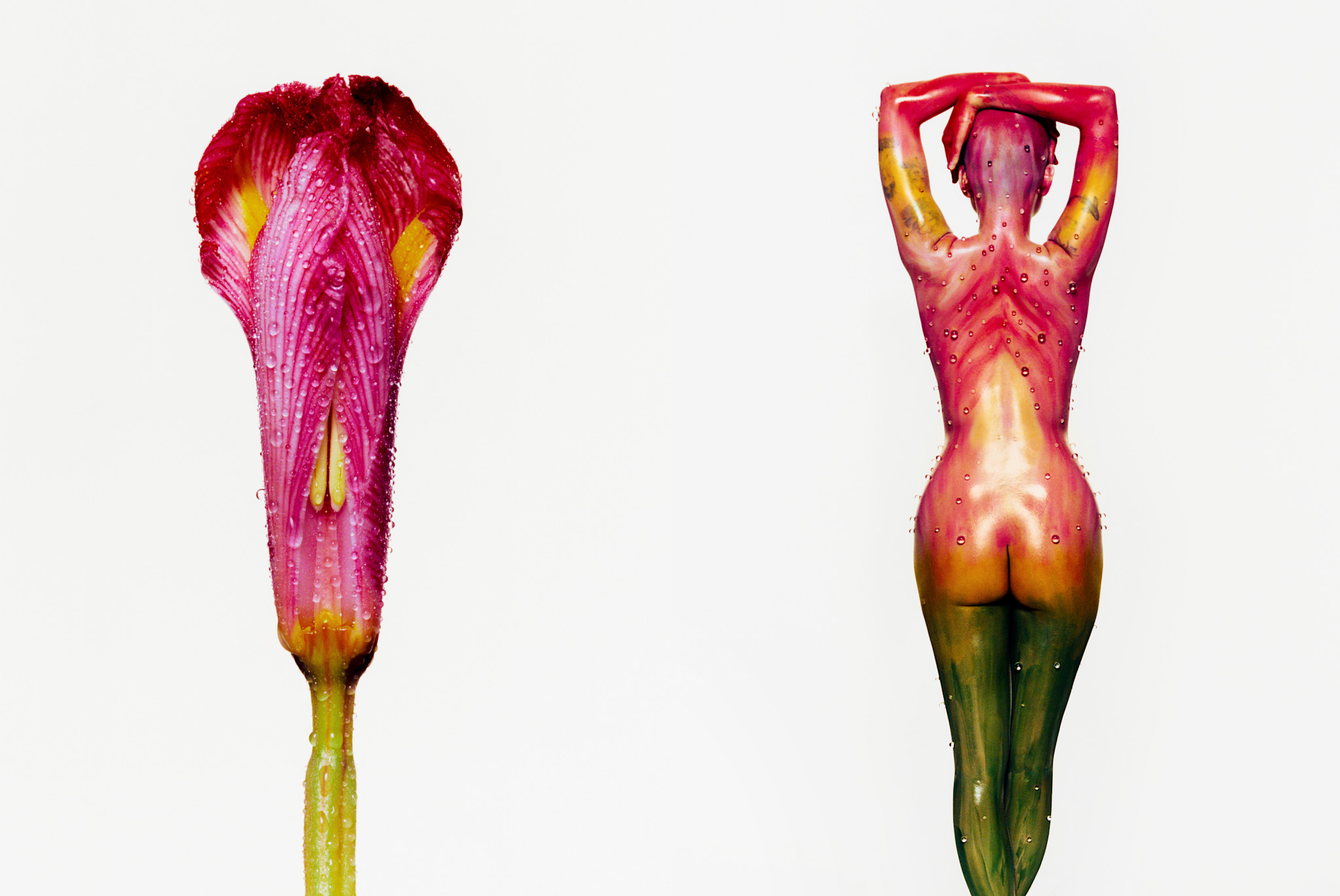
Flower Studies, 2024. Copyright by Cho Gi-Seok/Post Poetics.
Hyunji Nam
Cho Gi-Seok
How did Flower Studies come about?
I used flowers as props in fashion shoots and started studying the leftovers. Flowers are fascinating; they change dramatically when altered, offering endless possibilities. I also liked finding human body parts that mirrored the flowers. I needed a project that felt more like research, something relaxing. I decided to shoot every flower available in Korean markets since I started the project in 2019. I considered foreign flowers, but I wanted consistency with lighting and setup, so I stuck to local options, though wildflowers wilted too quickly.
In Flower Studies, you pair flowers with human subjects. How does your process work?
I usually start by shooting the flowers. Once I’ve captured enough, I experiment—painting them, adding droplets, or stripping them down to the stamens. Then, I look for a corresponding body part, sometimes by experimenting with a mirror or talking to my makeup artist, Seong-Seok. If I know which parts I’ll use, I send the makeup artist photos in advance for preparation. Some elements are improvised on set, but larger props are planned ahead.
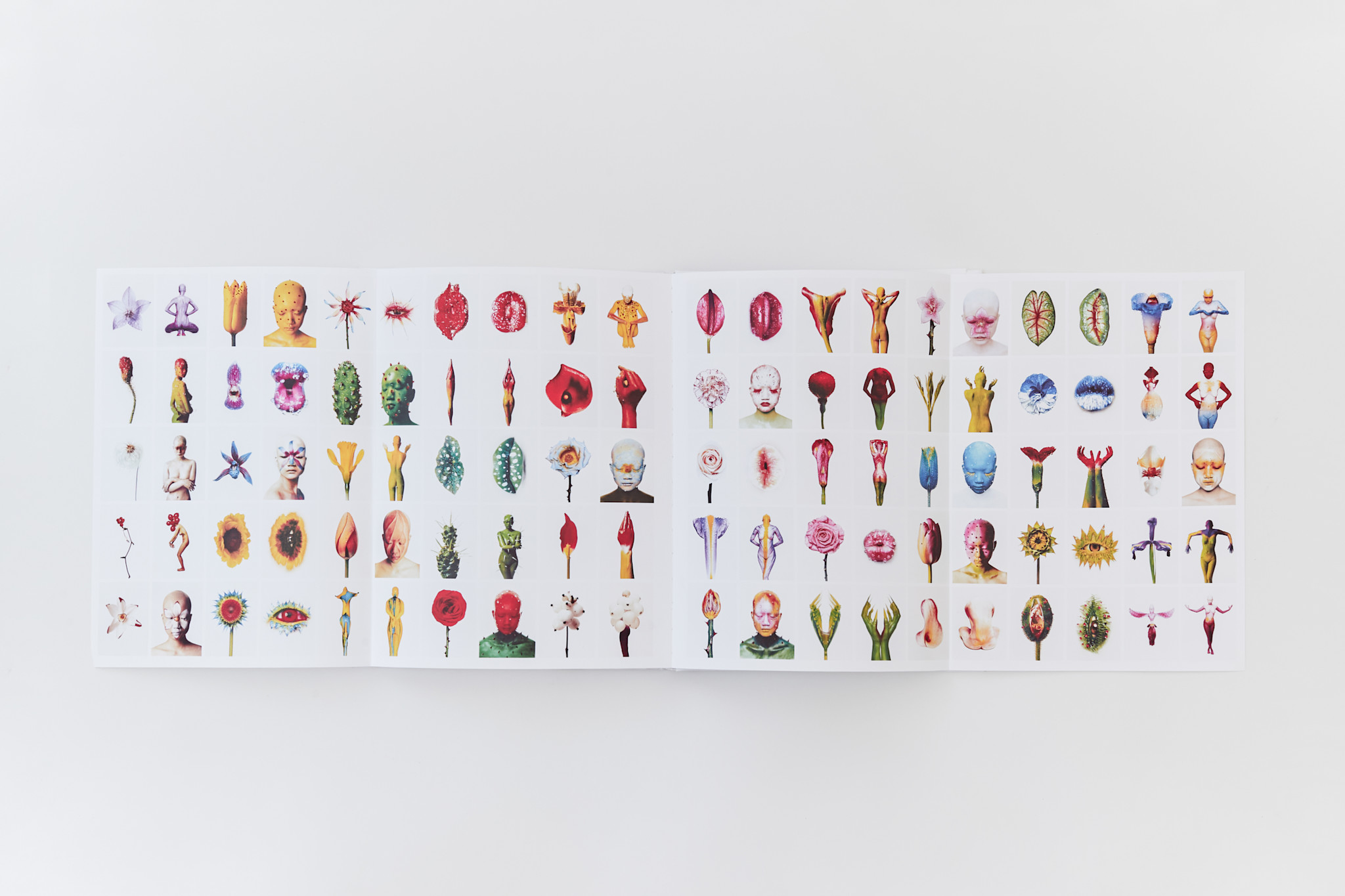
You selected 50 sets for the book. Which ones stand out?
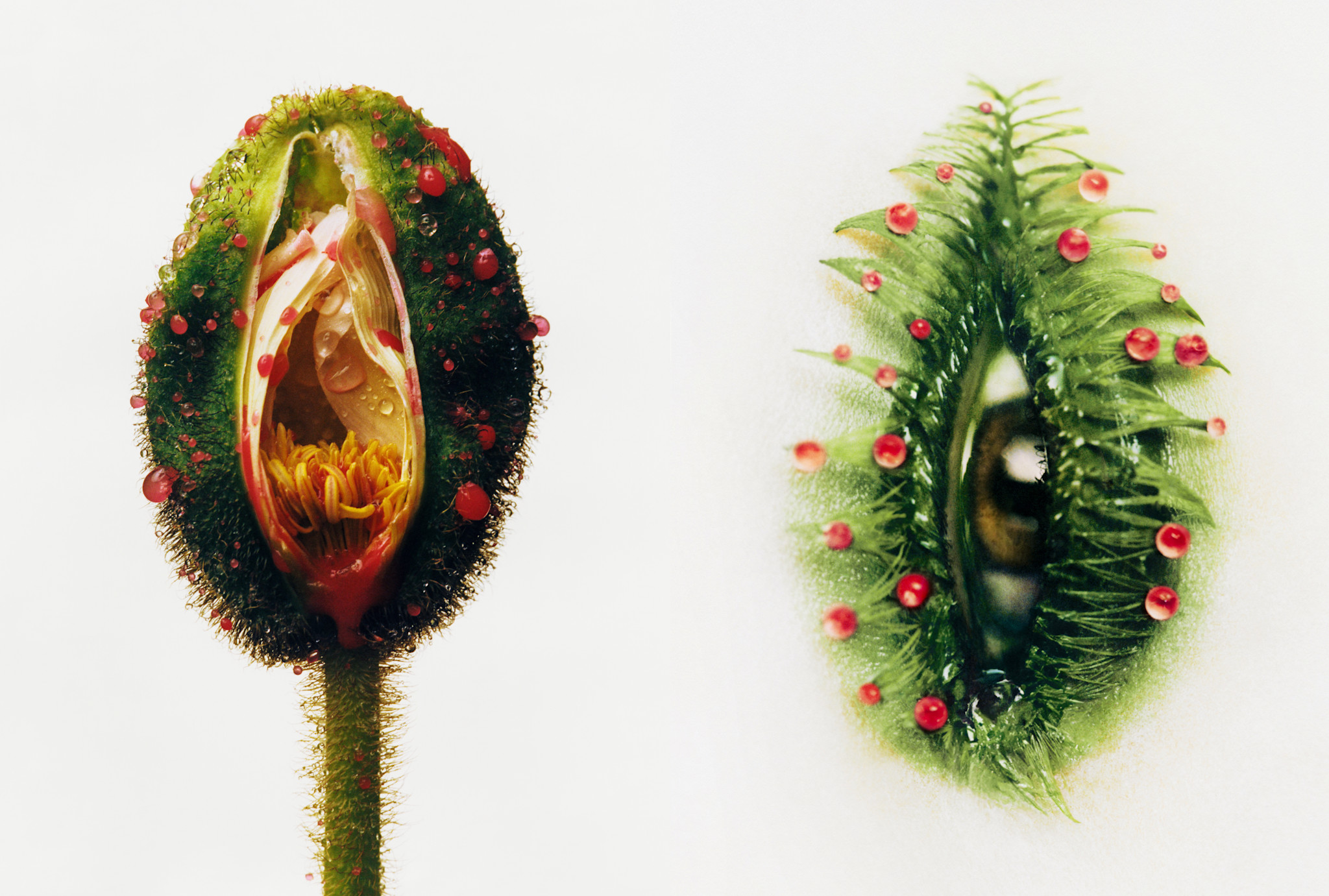
The poppy flower with plastic balls as water droplets—it was a new experiment. I also remember cutting the center of the flower to reveal the stamens. These were moments when I tried something different.
Flower Studies, 2024. Copyright by Cho Gi-Seok/Post Poetics.
How did your Flower Studies team—Oh Seong-Seok and model Gim Geum-won—come together?
I’ve worked with makeup artist Seong-Seok for a long time; we share a passion for personal projects. Model Geum-won resembled an ancient Venus statue—more like an unembellished human figure than a typical model. Her shaved head emphasized a raw, fundamental form of humanity.
How much time and effort goes into creating such detailed pieces?
At first, it took nine hours to do a full-body painting, erase it, and redo it. Over time, I focused on efficiency, breaking the body into sections and working with colors that layered easily. For example, yellow is easily covered when painted over with other colors. This allowed me to layer the colors more quickly, eventually reducing the time to four to six hours.
Flowers seem to play a prominent role in your work. What is it about them that inspires you?
Artists often approach me because they like my flower-related works, which is also the reason why I’ve collaborated with celebrities using floral elements. Flowers are familiar but have a unique, unfamiliar quality that makes them flexible for creative work. They don’t become grotesque when manipulated and are universally linked to beauty. I wanted to challenge conventional ideas of beauty in my own way.
Kali Uchis’s “I Wish You Roses” music video feels like an animated version of Flower Studies. How was it working with her?
When I think about working with Kali Uchis, I feel really grateful. She came all the way to Korea, a place unfamiliar to her, to shoot the music video, and was genuinely into the Flower Studies project, wanting to use it as the theme. The song title itself, “I Wish You Roses,” along with its lyrics about flowers and roses, perfectly aligned with my previous work—it was a lucky match. We first connected when I worked on the album cover for Red Moon in Venus in LA, and that collaboration naturally extended into the music video.
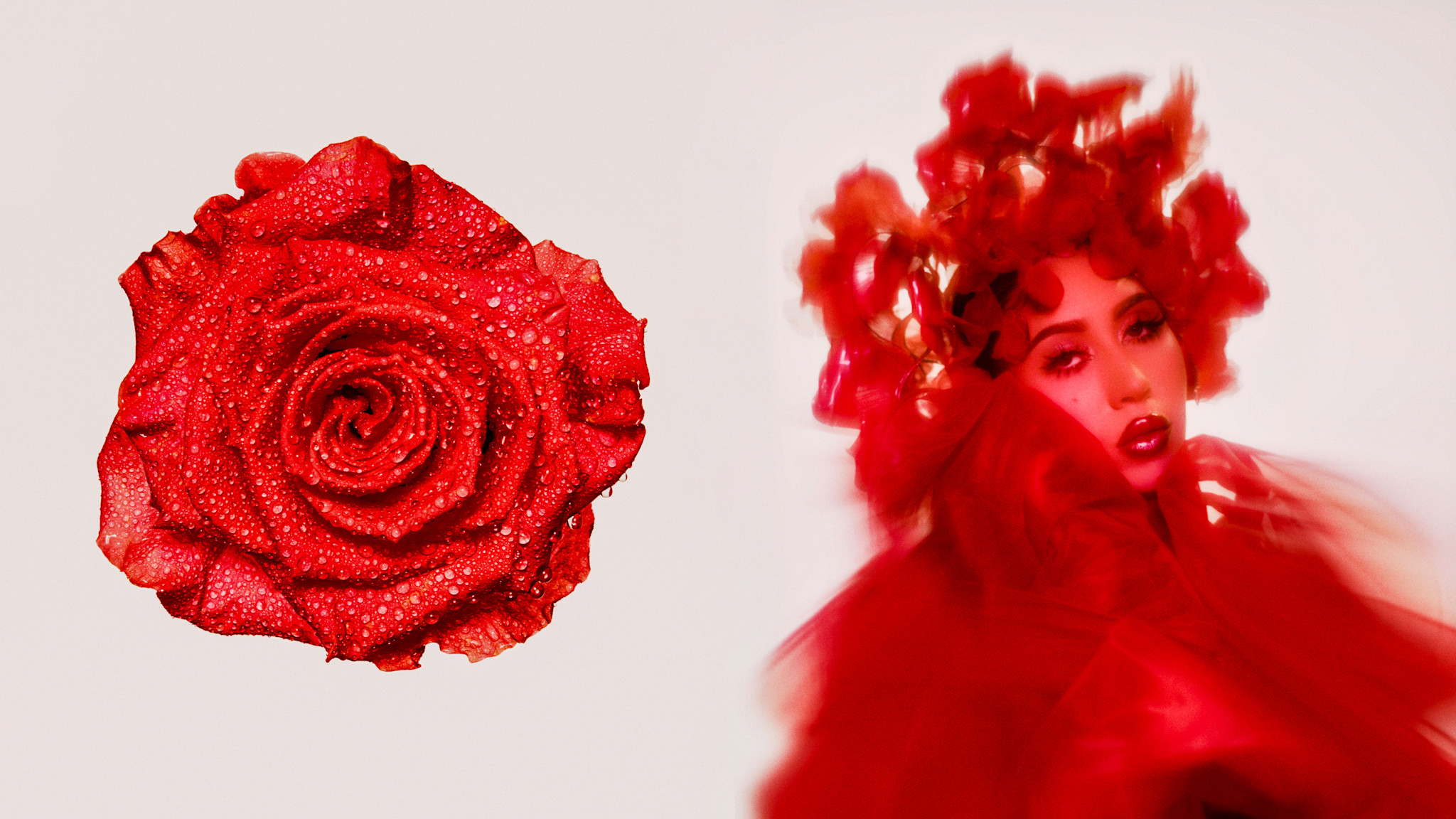


Still shots from Kali Uchis’s “I Wish You Roses” music video.

What do you focus on when working on Flower Studies—color, shape, or something else?
I always test things with a digital camera, keeping the flower photo beside me. I erase and redo things until the flower itself looks fresh and unique. Then, I position the person next to it and review the two together. If they look cohesive, I leave it as is. It’s instinctive—when it feels right, I know it’s done. I focus on details with smaller body parts, but with larger areas, like the body, it’s all about shape.
You collaborated with Post Poetics to create your book. How did that happen?
I’ve known the founder, Cho Wan, for a long time. Post Poetics, an independent art book distributor and bookstore established in 2006 in Seoul, is a pioneer in Korea for photo books and art books, which are still quite rare here. His passion for art and fashion books is unmatched. He offered to help, and we started the process earlier this year. It took time to finalize things because I wanted the colors and details to be more polished than what I’d shared on Instagram. We even traveled to Daegu to work with a printing artisan, and instead of the usual four-color printing, we used five-color printing to ensure the details were just right.
You’ve said personal projects feel like a break. Why is it important to you as a photographer?
I never set out to be a photographer; I just wanted to create cool, meaningful work. When I was 20, I admired people in fashion and art who consistently expressed their ideas. At first, I tried to imitate photographers I admired, but as photography became more global, I realized the only thing that could set me apart was my unique voice. For the first five years, I focused on perfecting my tone and technique. After that, I started exploring different ways to express myself, often drawing from personal experiences. For instance, I was bullied as a child, and the resulting feelings of isolation and confusion led me to question my identity. These experiences became the foundation for several of my projects. Everyone’s life is different, but the struggles we face tend to follow familiar patterns. I’ve always had this primal need to express myself, and I’ve never hesitated to do so.
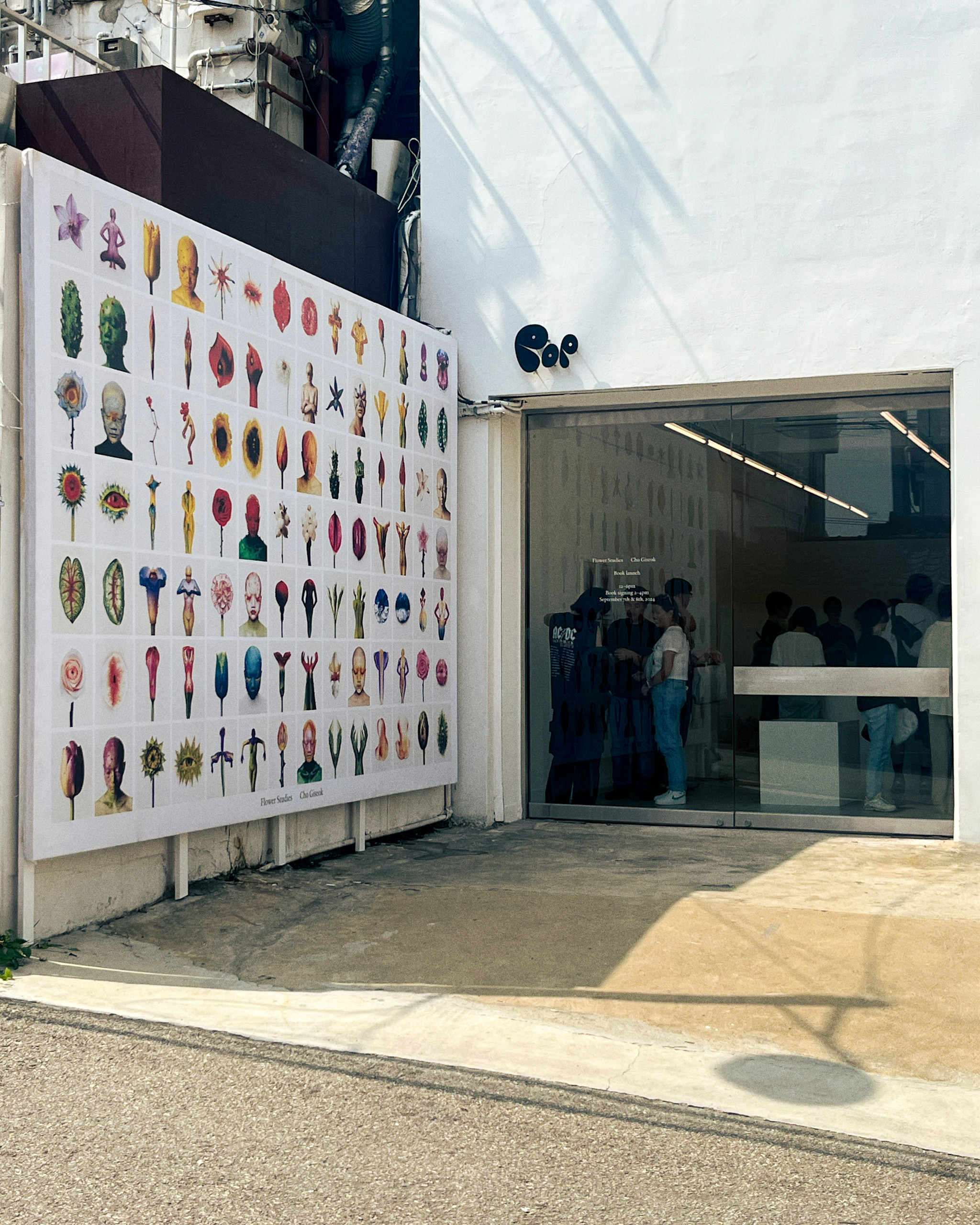
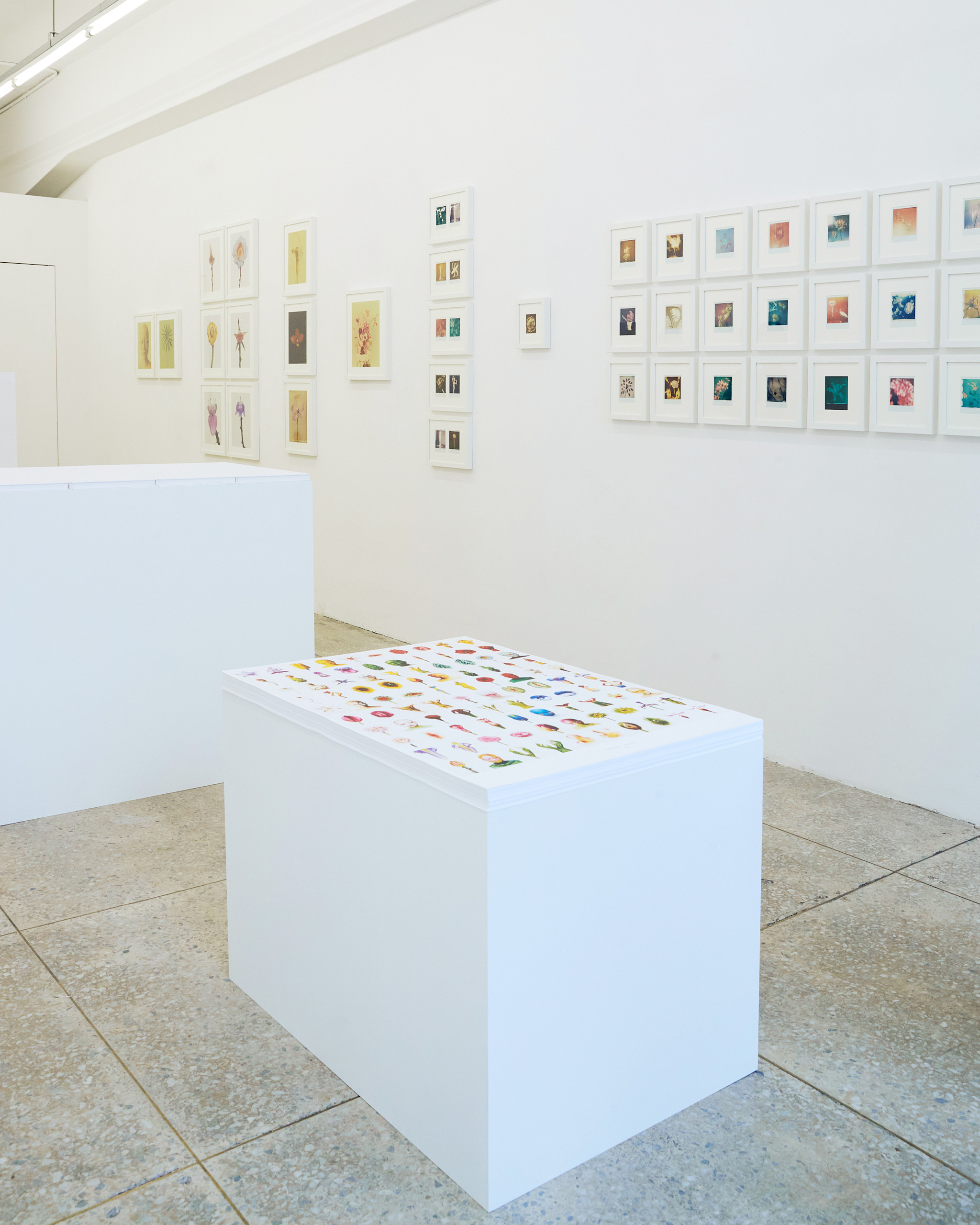
Exhibition photo at Post Poetics’s Pop space in celebration of the Flower Studies book launch on September 7. Copyright by Cho Gi-Seok/Post Poetics.
Who inspires you?
Nick Knight is a big inspiration. His passion for photography and constant push for innovation, even more than younger artists, really stands out. I also admire Rick Owens for expanding his style into different realms, like furniture. Steve Jobs is another influence. People who break the mold and succeed by sticking to their vision inspire me.
Another person who greatly influenced me in my early years is Kim Hankook, the CEO of Gentle Monster. [In the early stages of his career, Cho worked on Gentle Monster’s editorials every month.] He started his brand in his early 30s. Watching him grow and succeed, I’ve reached a similar age and began to think about breaking people’s preconceived notions to create a cool, innovative business that offers new experiences. Ultimately, I want to be someone who can shift the dynamics of the industry.
What’s the most important value in your life outside of photography?
In recent years, I’ve been deeply immersed in my work. Unlike other countries where photographers use freelance assistants, Korea’s system treats assistants like full-time employees, which has taught me the importance of taking responsibility for them. This experience shifted my perspective from wanting to be an impressive artist to realizing that mature communication and being a good person are just as important. I now see how my interactions with my team directly influence the work we create. Rather than stubbornly saying, “That’s just how I am,” I believe in working on my flaws and gradually growing as a good person.
- By: Hyunji Nam
- Photographed by: Cho Gi-Seok/Post Poetics
- Date: September 18, 2024